
El Locale
Optimizing checkout flow and validating MVP features to position the product for a conversion-ready launch.
ROLE
UI/UX Designer (Team Lead)
TEAM
Founder, 3 Designers
SKILLS
User Research
Competitive Analysis
Design Strategy
Business Strategy
User Flow
YEAR
Jan 2026

About
El Locale connects consumers with local small businesses and artisans — making community-based commerce accessible online.
Project Scope
3
Solutions Executed
63
User Surveys
3
Design Reviews
My Impact
Validated (and de-prioritized) the "order coffee" feature from MVP roadmap based on user research.
Optimized checkout with data-backed best practices, reducing friction and improving purchase confidence.
🔍 01
🛒 02
♻️ 03
Structured retention through post-purchase account creation and subscription strategy.
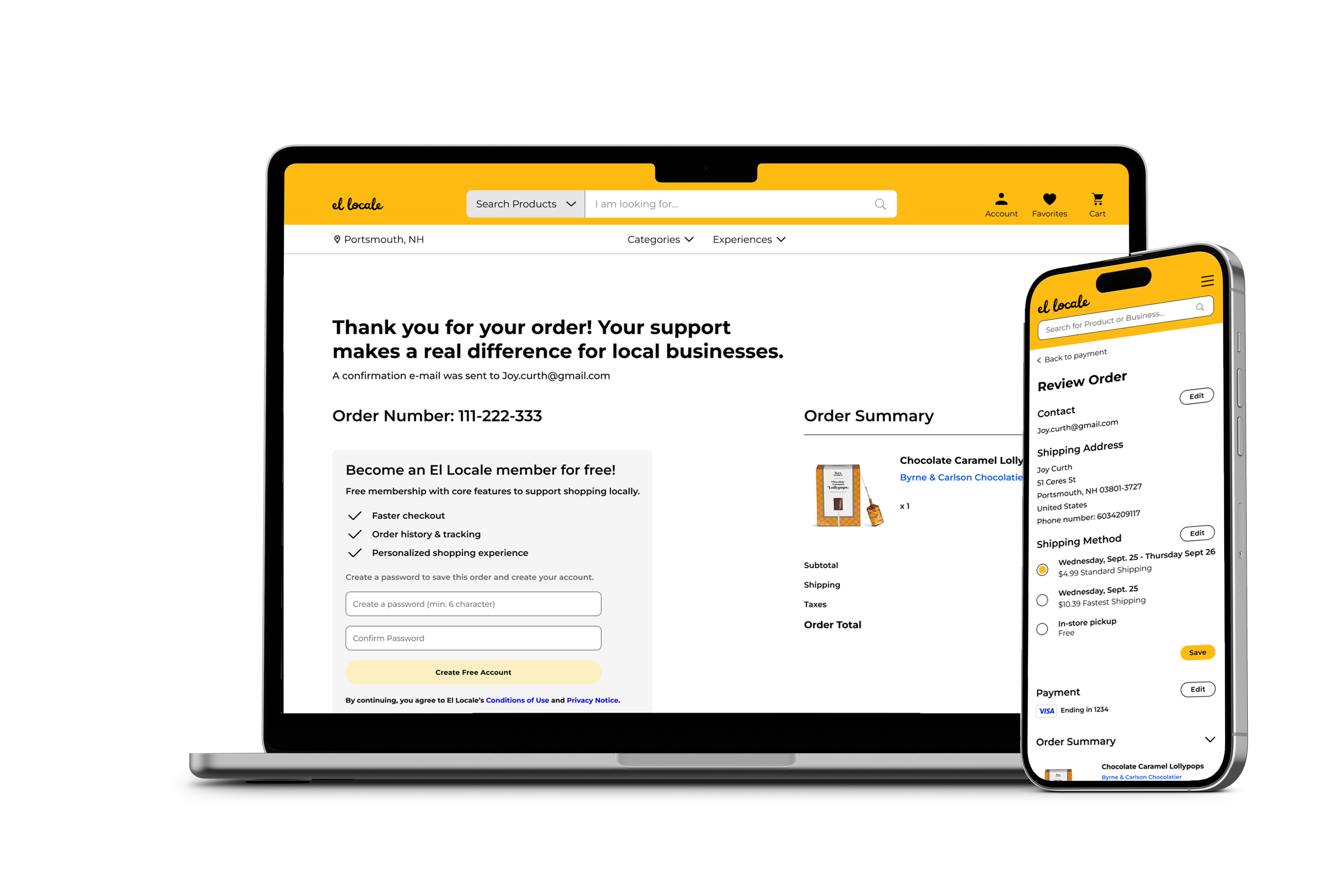
Testimonial
“She led the team throughout the project, and her clear, confident presentation skills are what truly distinguish her. Bora has a rare ability to articulate design decisions in a way that brings stakeholders along, builds alignment, and turns feedback into forward momentum.”
- Joy Curth, El Locale Founder
Here’s how I approached each problem
Problem
Conduct competitive analysis of post-purchase account-creation flows across e-commerce and subscription-based platforms.
Research subscription strategies and value framing to understand how businesses drive long-term adoption.
1
It was unclear whether the online “Order Coffee”
feature addressed a real user need or justified
allocating development resources as part of the MVP.
2
The checkout flow lacked a clearly defined end-to-end process, with sequencing that made it difficult for users
to confidently complete their purchase.
3
There was no defined approach for driving account creation, even though a subscription model was planned
to support long-term platform sustainability.
Goals
Clarify the core user value and underlying user story.
Validate assumptions through user research on coffee-
ordering behaviors.Evaluate business complexity, partner impact, and MVP feasibility.
Conduct competitive analysis of successful e-commerce checkout flows to establish usability benchmarks.
Review evidence-based research from reputable sources (Baymard Institute, Shopify, Deloitte) to validate assumptions and define best-practice criteria.

01
Online “Order Coffee” MVP
User Goal
Pre-order coffee from local coffee shops through the
El Locale website or mobile app.
Constraints
Targeted toward suburban and metropolitan neighborhoods.
Primary audience skews older, with higher discretionary spending and a preference for shopping local.
Limited coffee shop options in surrounding suburban areas.
We received 63 survey responses from coffee drinkers about their habits, routines, and motivations.
71.4%
of users make coffee at home.
54%
Prefer ordering coffee in person
Ages 25–44 · Suburban Majority
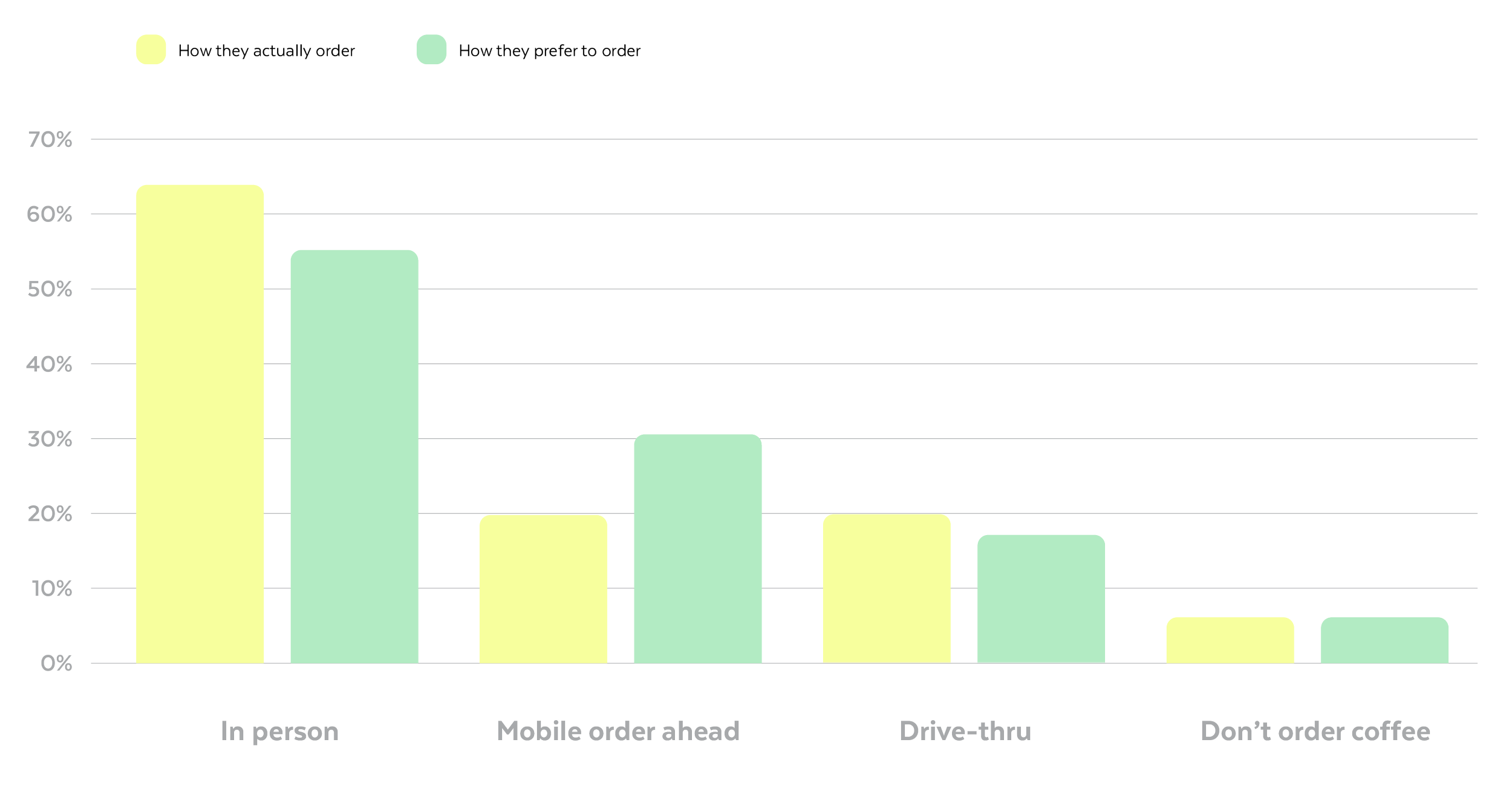
Key Takeaways
Most users (71.4%) of users make coffee at home.
Only some users (7.9%) buy coffee daily; most purchase just 1–2 times a week or less.
Over half of users (58.7%) purchase from local coffee shops, and 68.3% choose their coffee shop based on the convenience of their location.
Users feel neutral about their current coffee-buying experience, indicating openness to change.
Final proposal
The data showed that mobile ordering addressed an unmet need; however, overall demand was not strong enough to justify prioritizing it in the initial MVP.
Suggested next steps
Focus on user retention and growing business partnership for launch.
Gather more data after the launch to identify user needs to develop a mobile coffee ordering feature.
02
Customer Check out Flow
User Goals
Complete order check out
Build trust with the brand
Feel confident in their purchase.
Constraints
Reduce cart abandonment
Increase conversion rate
Encourage account creation
Optimize order confirmation
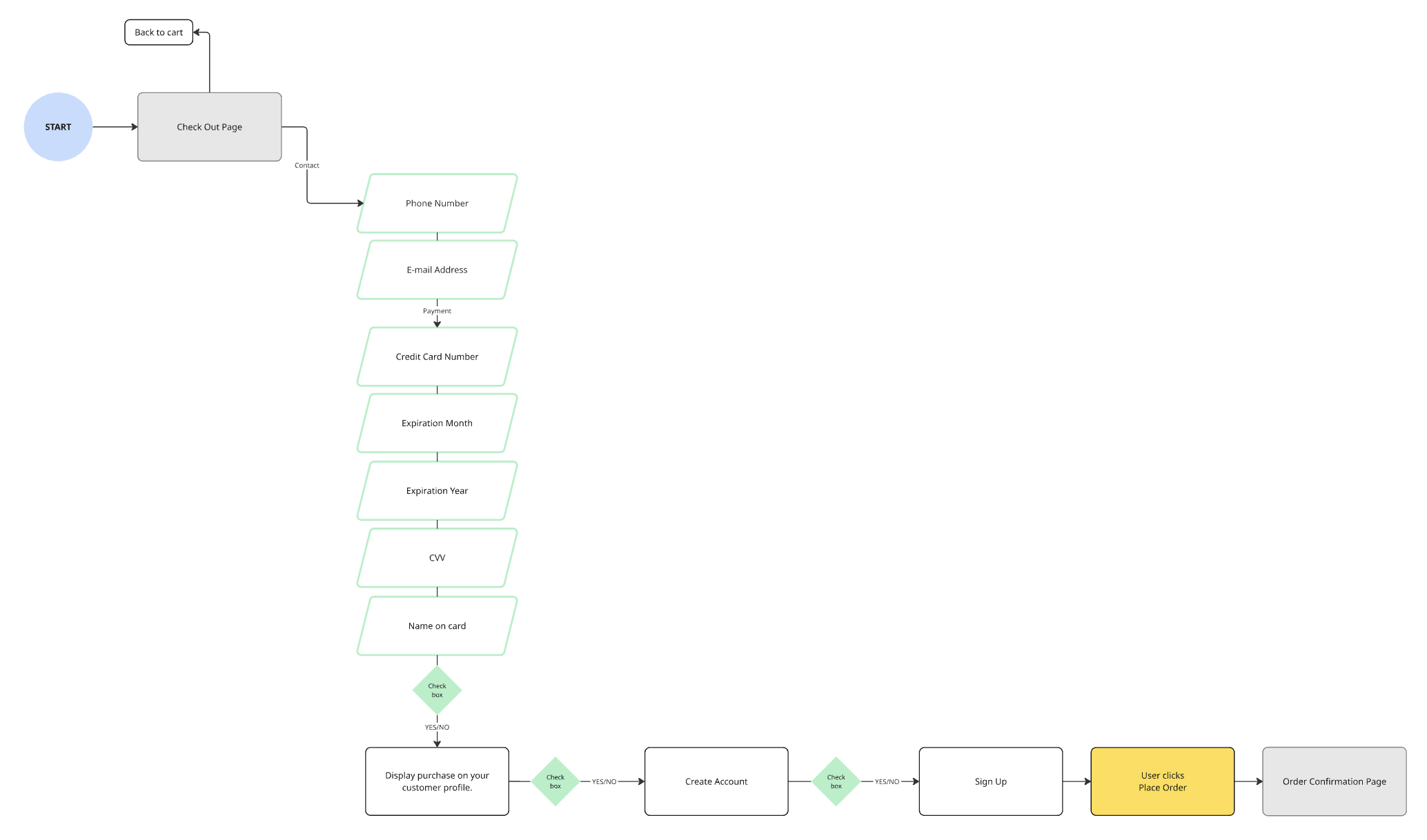
To identify major problems with the checkout experience, I mapped out the user checkout flow of the current design.
How I upgraded the check out flow
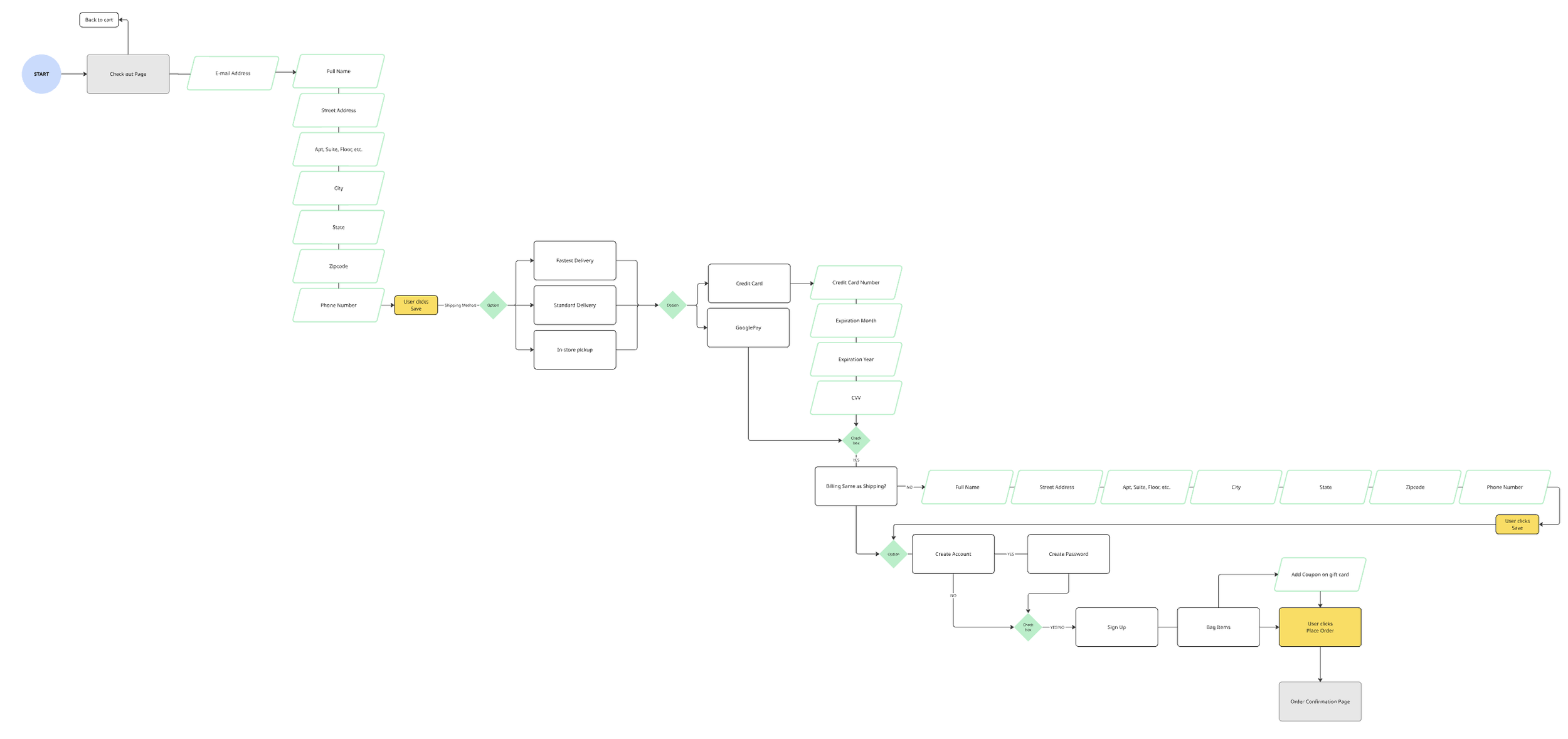
Scaling it accross web and mobile design
Standardize terminology across web and mobile for consistency.
Add Coupon / Gift Card entry option.
Add Cart Items on the “Review Order” section.
Remove Country option under shipping address.
Move the phone number field to shipping section.
Add in “Billing Same as Shipping” checkbox.
Web checkout user flow
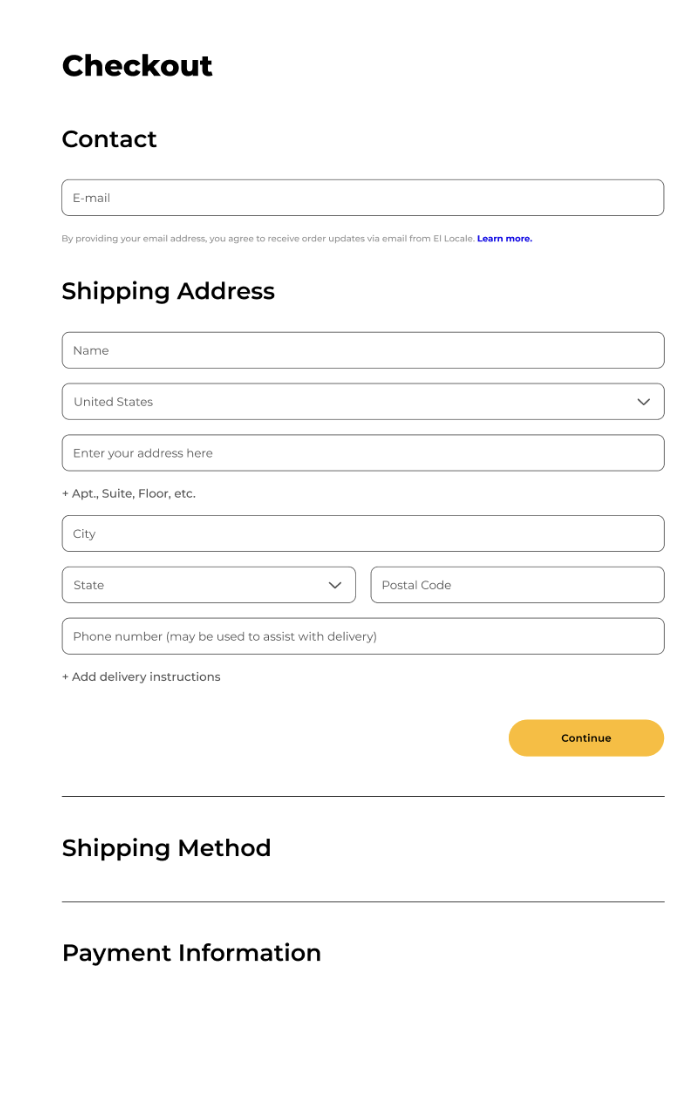
Add Shipping Information input.
Break the flow into sections and add a save button to continue.
Add in GooglePay option.
Mobile checkout user flow
Update the second “Review Order” action label to “Place Order.”
Move the GooglePay option to the Payment Page.
Optimized the checkout flow by reducing friction and collapsing unnecessary form fields.
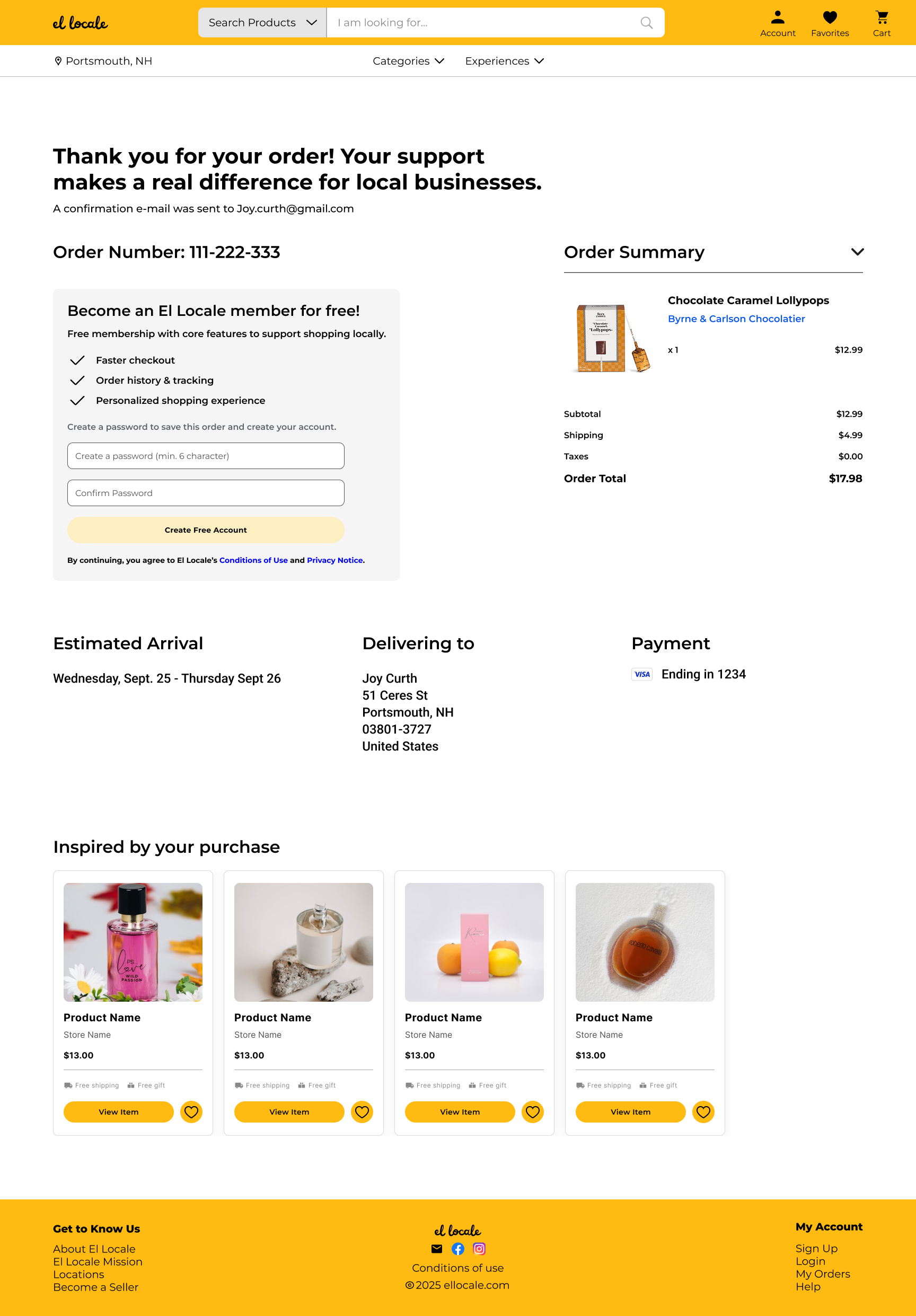
Driving retention through post-purchase touchpoints — prompting account creation at order confirmation and surfacing related products to bring users back to the site.
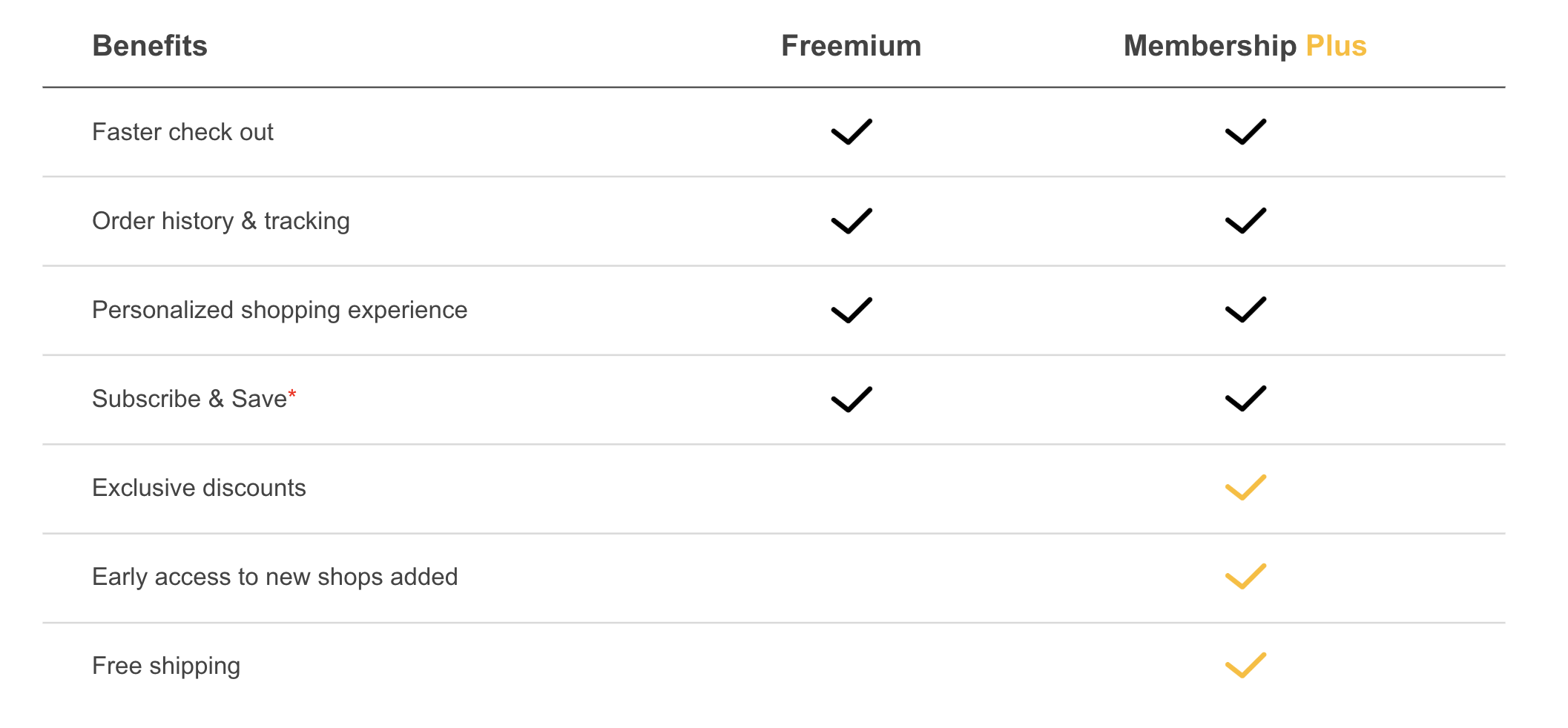
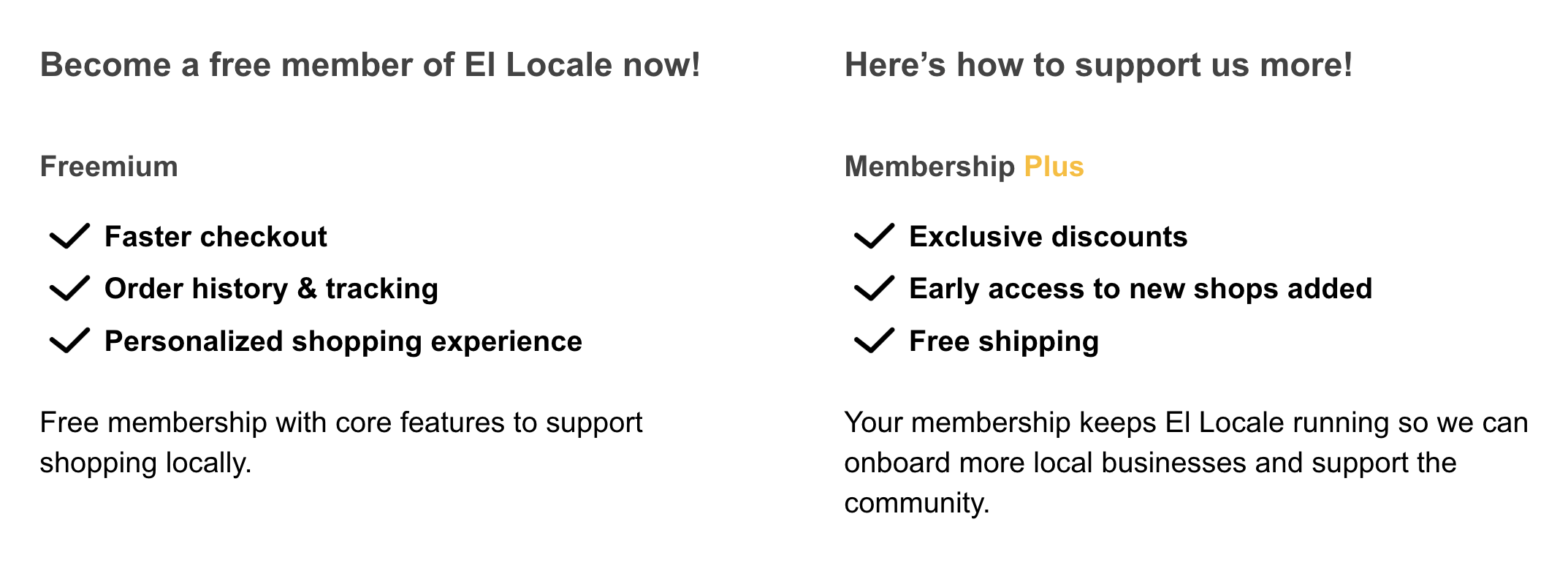
Collaborated with stakeholder to define a future-ready subscription model strategy, designing a seamless integration path within the existing checkout experience.
Closing thoughts + Hand off
Extend post-purchase optimization through email confirmation to reinforce trust, clarify next steps, and support repeat engagement.
Validate subscription models and incentive structures through A/B testing to identify the most effective drivers of conversion and retention.
Clarifying the return policy to build purchase confidence.